 Business License

Waffle Weave Microfiber Towels: Why the Waffle Structure Is Perfect for Car Drying & Auto Detailing
Waffle Weave Microfiber Towels: Why the Waffle Structure Is Perfect for Car Drying & Auto Detailing
Why Waffle Weave Structure Makes Microfiber Towels Ideal for Car Drying
Introduction
In the automotive detailing industry, microfiber towels are no longer judged only by softness or thickness. The internal fabric structure plays a critical role in determining drying performance, water absorption, paint safety, and overall detailing efficiency.
Among various microfiber towel constructions, waffle weave microfiber towels have become one of the most popular choices for professional car drying and auto detailing.
But what exactly makes waffle weave structure so effective?
The answer lies in the unique three-dimensional fabric design that dramatically improves moisture control, friction balance, airflow, and dirt isolation.
This article deeply analyzes the waffle weave structure from a textile engineering perspective and explains why waffle weave microfiber towels are widely used in car washing and detailing applications.
What Is Waffle Weave Structure?
Waffle weave is a special textile construction characterized by recessed square or diamond-shaped patterns that resemble a waffle surface.
Unlike flat woven microfiber fabrics, waffle weave creates:
Raised microfiber contact points
Deep moisture channels
Air pockets between yarns
Three-dimensional surface texture
The fabric structure increases the functional surface area while reducing full-contact friction against painted surfaces.
How Waffle Weave Structure Works During Car Drying
1. Three-Dimensional Moisture Channels Improve Water Absorption
The recessed waffle pockets act like miniature reservoirs that capture and store water instantly.
When drying a vehicle:
Water is pulled into the waffle cavities
Moisture spreads through capillary action
The towel absorbs more liquid per wipe
Compared with flatmicrofiber towels, waffle weave towels distribute water more efficiently across the fabric surface.
Why This Matters for Car Drying
Benefits include:
Faster drying speed
Fewer towel passes required
Reduced water streaking
Lower risk of water spotting
This is especially important for:
Large SUVs
Trucks
Ceramic-coated vehicles
Black paint finishes
2. Reduced Surface Friction Protects Automotive Paint
One major challenge in auto detailing is minimizing friction during drying.
Traditional flat towels create larger contact areas against paint surfaces, increasing drag and the possibility of micro scratches.
Waffle weave structure solves this problem.
How the Structure Reduces Friction
Because only the raised portions of the waffle pattern touch the paint directly:
Surface resistance decreases
Drag force becomes lower
Towel glides more smoothly
This creates a safer drying experience for:
Soft clear coats
Glossy finishes
Ceramic coatings
Sensitive dark paint colors
3. Better Dirt Isolation Reduces Swirl Marks
The recessed waffle pockets also help isolate dirt particles away from the paint surface.
During drying:
Residual dust moves into the pockets
Contaminants stay below the contact surface
Less abrasive rubbing occurs
This structural advantage helps reduce:
Swirl marks
Fine scratches
Paint marring
For professional detailers, this is one of the biggest reasons waffle weave towels remain highly preferred.
4. Improved Airflow Makes Towels Dry Faster
The three-dimensional waffle texture creates internal airflow channels throughout the fabric.
Compared with dense flat towels:
Air circulates more easily
Moisture evaporates faster
Drying time becomes shorter
Advantages of Faster Drying
Fast-drying towels provide:
Better hygiene
Reduced mildew risk
Lower bacterial growth
Longer towel lifespan
For commercial car wash operations, faster towel drying improves operational efficiency significantly.
5. Waffle Weave Structure Balances Absorbency and Weight
Many ultra-thick microfiber towels become heavy after absorbing water.
Waffle weave towelsmaintain strong absorbency while remaining relatively lightweight because:
Air pockets reduce fabric density
Water spreads efficiently across the structure
Less yarn mass is required
This makes waffle weave towels easier to:
Handle
Wring out
Control during detailing
Professional detailers often prefer this balance during long working hours.
Why Waffle Weave Towels Perform Better on Glass
Glass cleaning requires:
Low lint
Low streaking
Controlled moisture distribution
Waffle weave structure naturally supports these requirements.
Structural Benefits for Glass Cleaning
The pattern:
Reduces excessive water release
Improves wiping consistency
Minimizes streak formation
As a result, waffle weave microfiber towels are commonly used for:
Automotive windows
Windshields
Mirrors
Interior glass surfaces
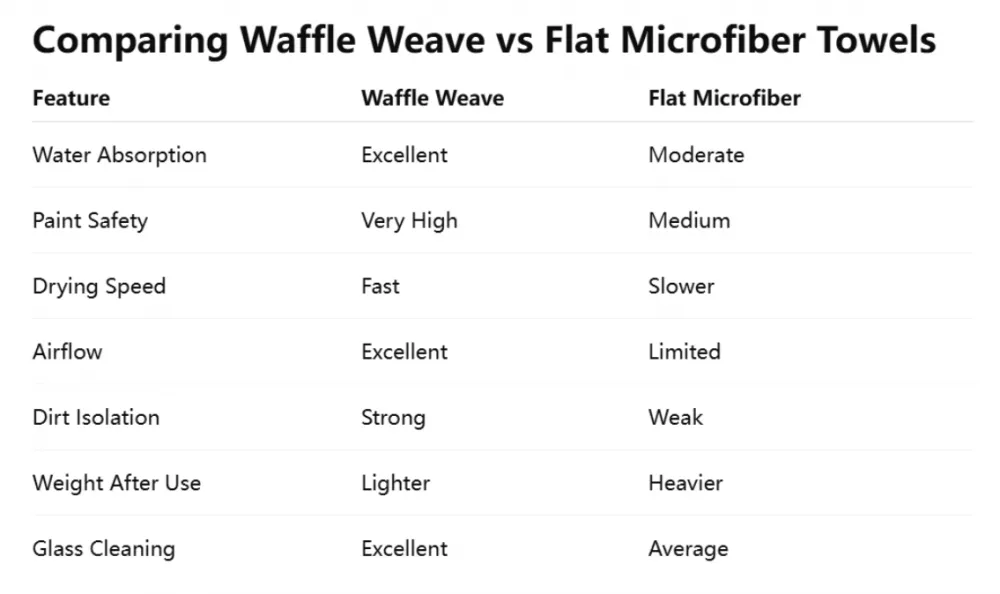
Comparing Waffle Weave vs Twisted Loop Towels
Waffle Weave Towels
Best for:
Controlled drying
Glass cleaning
Precision detailing
Lightweight handling
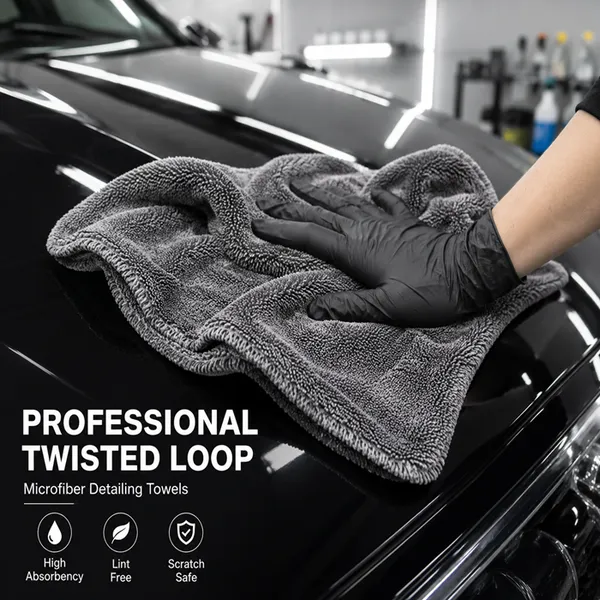
Twisted Loop Towels
Best for:
Maximum water absorption
Heavy-duty drying
Large vehicle surfaces
Many professional detailers use:
Twisted loop towels for primary drying
Waffle weave towels for finishing and glass work
Textile Engineering Behind Waffle Weave Performance
Capillary Action Enhancement
Microfiber itself already has excellent capillary performance due to ultra-fine split fibers.
Waffle weave structure enhances this further by:
Increasing channel depth
Expanding moisture pathways
Accelerating water migration
This combination creates extremely efficient drying behavior.
Surface Area Optimization
The raised-and-recessed geometry increases total functional surface area.
Higher surface area means:
More water contact points
Better liquid distribution
Faster absorption kinetics
This is one reason waffle weave towels outperform many standard microfiber cloths.
Ideal GSM for Waffle Weave Car Towels
Recommended GSM Range

Higher GSM provides:
Softer feel
Higher absorbency
Better premium perception
However, excessively high GSM may reduce flexibility.
OEM Manufacturing Considerations for Waffle Weave Towels
Professional microfiber towel manufacturers optimize several factors:
Yarn Quality
High-quality split microfiber improves:
Softness
Water absorption
Durability
Weave Density
Balanced density ensures:
Proper airflow
Structural stability
Controlled thickness
Edge Finishing
Premium options include:
Silk edge
Hidden edge
Ultrasonic cut edge
These reduce paint scratching risks.
Why Professional Detailers Prefer Waffle Weave Towels
Professional users value waffle weave towels because they combine:
High absorbency
Paint safety
Lightweight handling
Fast drying
Low lint performance
Excellent glass cleaning ability
This versatility makes waffle weave towels one of the most practical towel constructions in automotive detailing.
Conclusion
The success of waffle weave microfiber towels in automotive detailing is not accidental. Their superior performance comes directly from intelligent textile engineering and three-dimensional structural design.
By improving:
Water absorption
Friction control
Air circulation
Dirt isolation
Drying efficiency
waffle weave microfiber towels provide a safer, faster, and more professional car drying solution.
Recently Posted
-
Microfiber Kitchen Drying Mat: Ultra Absorbent Reversible Dish Drying Mat for Kitchen Counters
September 23, 2026Microfiber Kitchen Drying Mat: Ultra Absorbent Reversible Dish Drying Mat for Kitchen CountersA microfiber kitchen drying mat prov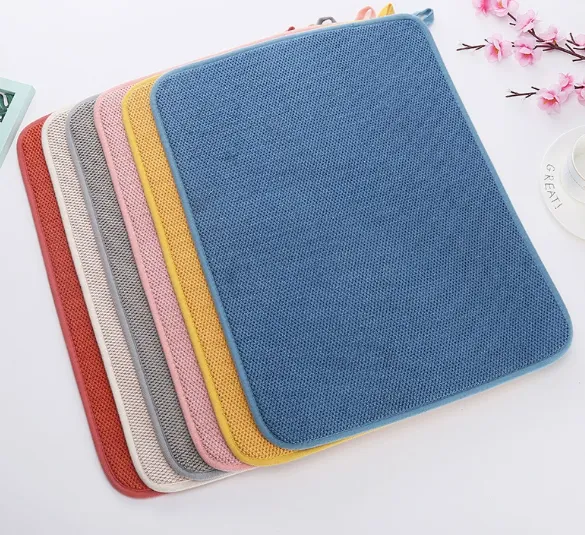 Read More
 -
1800 GSM Microfiber Twisted Loop Drying Towels
September 16, 20261800 GSM Microfiber Twisted Loop Drying Towels – The Ultimate Scratch-Free Car Detailing SolutionWhen it comes to professional car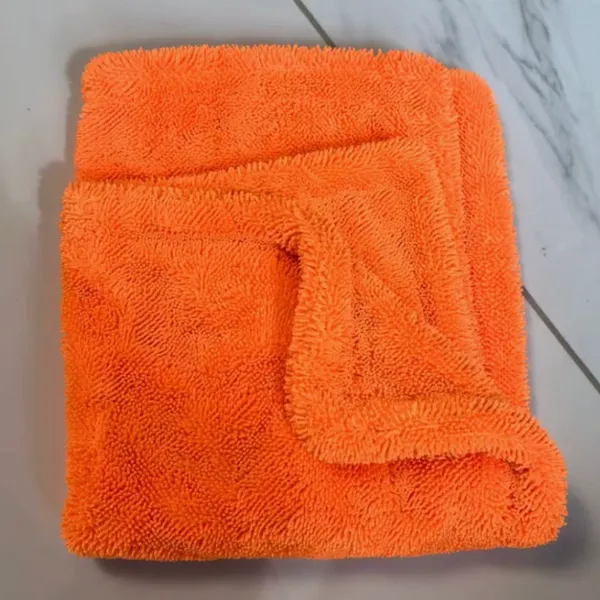 Read More
 -
1000GSM Microfiber Twist Loop Drying Towels | Professional Auto Detailing Car Wash Towels
September 15, 20261000 GSM Microfiber Twist Loop Drying Towels – Professional Auto Detailing Car Wash TowelsWhen it comes to professional car detail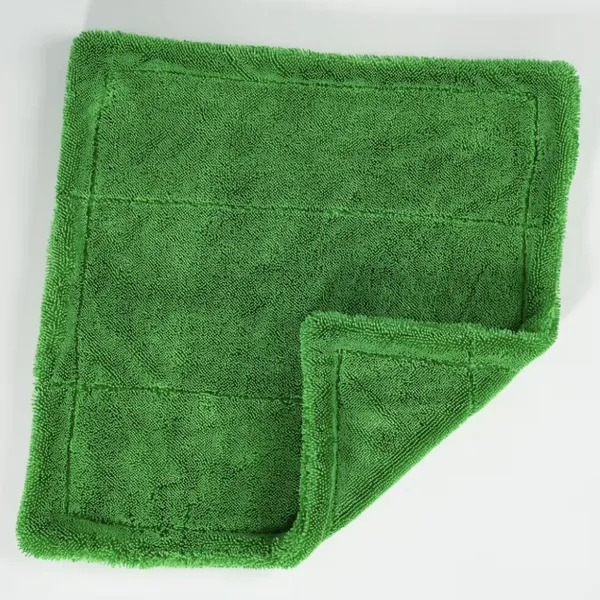 Read More
 -
Laurey Textiles offer Microfiber bar mop towels for kitchen and cleaning usage
September 10, 2026Laurey Textiles Microfiber Bar Mop Towels – Premium Cleaning Solution for Kitchen & Commercial UseWhen it comes to maintaining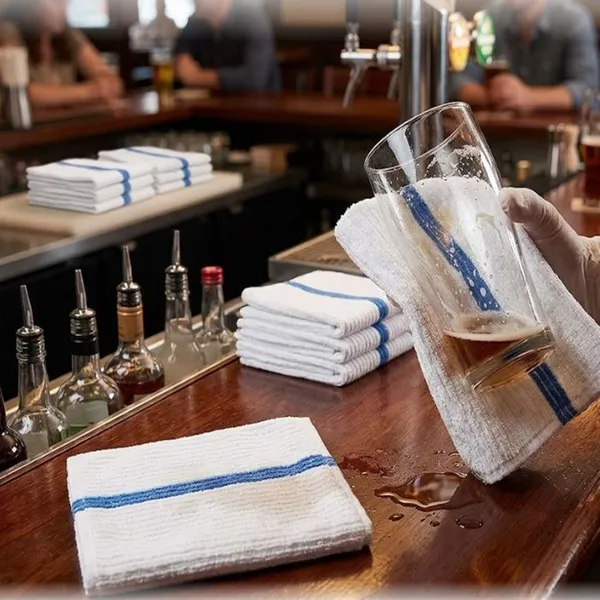 Read More

Contact Us
Recommended Products
-
 Microfiber Glass Cleaning Cloths 260GSM – Lint-Free Glass Polishing Towels WholesaleUS$ 0.3MOQ: 500 Pieces
 -
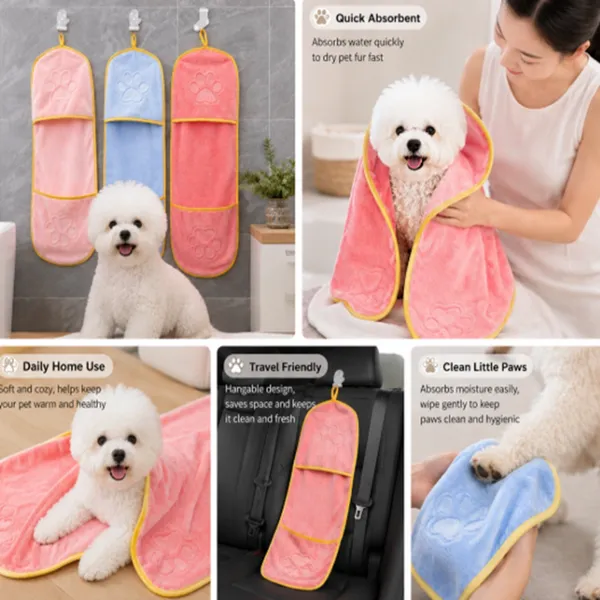
Wholesale Microfiber Dog Bath Towel With Hand Pockets – Fast-Drying Pet Drying TowelUS$ 0.3MOQ: 500 Pieces
-
1200GSM Twisted Loop Microfiber Drying Towels 60*90cm| Professional Auto Detailing WholesaleUS$ 0.2 - 0.8MOQ: 500 Pieces
-
Wholesale Microfiber Cleaning Towels – Multi-Purpose Cleaning Cloth Manufacturer & OEM SupplierUS$ 0.3MOQ: 500 Pieces
-
Heavy Duty Microfiber Bar Mop Towels – Commercial Kitchen Cleaning ClothsUS$ 0.3MOQ: 500 Pieces
-
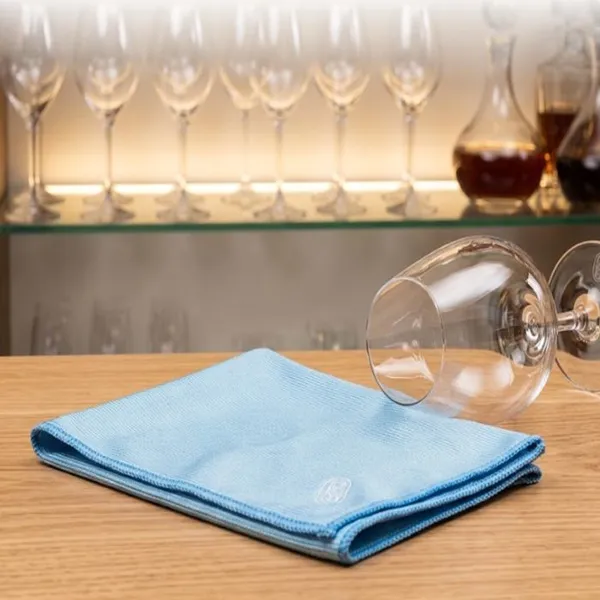
Lint-Free Microfiber Glass Polishing Cloth for Wine Glasses & StemwareUS$ 0.3MOQ: 500 Pieces
-
Wholesale Coral Fleece Microfiber Towels | Quick Dry, Soft & AbsorbentUS$ 0.3MOQ: 500 Pieces
-
Wholesale Custom Microfiber Rally Towels | Printed Logo Sports & Promotional TowelsUS$ 0.3MOQ: 500 Pieces
-
Microfiber Chenille Car Wash Sponge With Elastic Band | Auto Detailing Wash Sponge WholesaleUS$ 0.2 - 0.8MOQ: 500 Pieces
-
Microfiber Foam Applicator Pads for Car Waxing & Polishing | Wholesale Auto Detailing Applicator PadsUS$ 0.2 - 0.8MOQ: 500 Pieces
-
Christmas Printed Microfiber Kitchen Towels | Personalized Custom Decorative Holiday Gift for WholesaleUS$ 0.3MOQ: 500 Pieces
-
Professional Microfiber Bar Mop Towels 14×17inch | Streak-Free, Lint-Free & Ultra-Absorbent Microfiber Kitchen ClothUS$ 0.3MOQ: 500 Pieces
-
Microfiber Spa Bath Towels: Soft, Absorbent & Quick-Drying Towels for Spa and Hotel UseUS$ 2.8MOQ: 200 Pieces
-
Cotton Terry Hand Towels: Soft, Absorbent & Durable Towels for Hotels, Spas & Everyday UseUS$ 1MOQ: 500 Pieces
-
Premium Microfiber Waffle Weave Sports Towels With Pocket | Quick Dry Gym & Fitness Towels for WholesaleUS$ 0.65MOQ: 500 Pieces
-
800GSM Twisted Loop Microfiber Drying Towels | Super Absorbent Car Detailing Towels | Wholesale ManufacturerUS$ 1 - 2MOQ: 500 Pieces
-
Twisted Loop Microfiber Car Drying Towels 600GSM | Long Pile Scratch-Free Detailing Towels WholesaleUS$ 0.2 - 0.8MOQ: 500 Pieces
-
1000GSM Microfiber Twist Loop Drying Towels | Professional Auto Detailing Car Wash TowelsUS$ 0.2 - 0.8MOQ: 500 Pieces
-
Premium Microfiber Bath Towels 400 GSM | Ultra Soft Quick Dry Bath Sheets for Hotel, Spa & HomeUS$ 2.8MOQ: 500 Pieces
-
Custom Microfiber Hair Towel Wraps | Coral Fleece Quick Dry Hair Turban Towels ManufacturerUS$ 0.5MOQ: 3000 Pieces